All Categories
Featured
Table of Contents
Different ecommerce platforms use various codes or formats for item details, so it is necessary that the item listings are updated with the correct format in order for them to display correctly. Some business successfully draw out information immediately from the source websites. However, they do not have the bi-directional syncing required to close the loop.
This can be difficult if the 2 sources don't share a common language or coding format. Frequently, a native integration will send data back to your source-of-truth for stock management, but it won't send it back to the seller or market where you're selling. Preferably, you wish to purchase stock management software that synchronizes bidirectionally and links ALL of your core service systems.
Optimizing Growth with Multi-Channel StrategyImproved consumer experience Customers anticipate precise and timely purchases, so having up-to-date product info readily available at all times will assist enhance their overall experience. This will also reduce the variety of returns due to unreliable descriptions or inaccurate prices. Faster order fulfillment Automating the procedure of integrating data in between several channels will make it simpler for you to fulfill orders rapidly and effectively.
In-Store Collection Models: Optimizing Last-Mile Logistics for 2026
Minimized expenses Automation lowers the requirement for manual work, conserving both money and time over traditional methods of updating item information throughout numerous channels. This can substantially minimize operational costs while increasing effectiveness. There are a number of methods for syncing item data throughout numerous channels. Some of the more popular alternatives consist of: This includes linking your sales channels with whichever system you use as source-of-truth for stock through APIs in order to automatically sync item details.
By exporting your item data into a CSV or XML file, you can quickly upload it to several channels. This is manual and time consuming, though if you do this typically, you can integrate accurate info. There are also numerous third-party IMS (inventory management software) services available that automate the process of syncing product data throughout several channels.
You can likewise manually get in item information into each channel, although this is usually the least efficient and most time-consuming option which is prone to the most errors. Do not do this. The finest way to sync inventory across multiple sales channels is dedicated middleware software application due to the fact that it combines 2 of the approaches listed above (i.e.
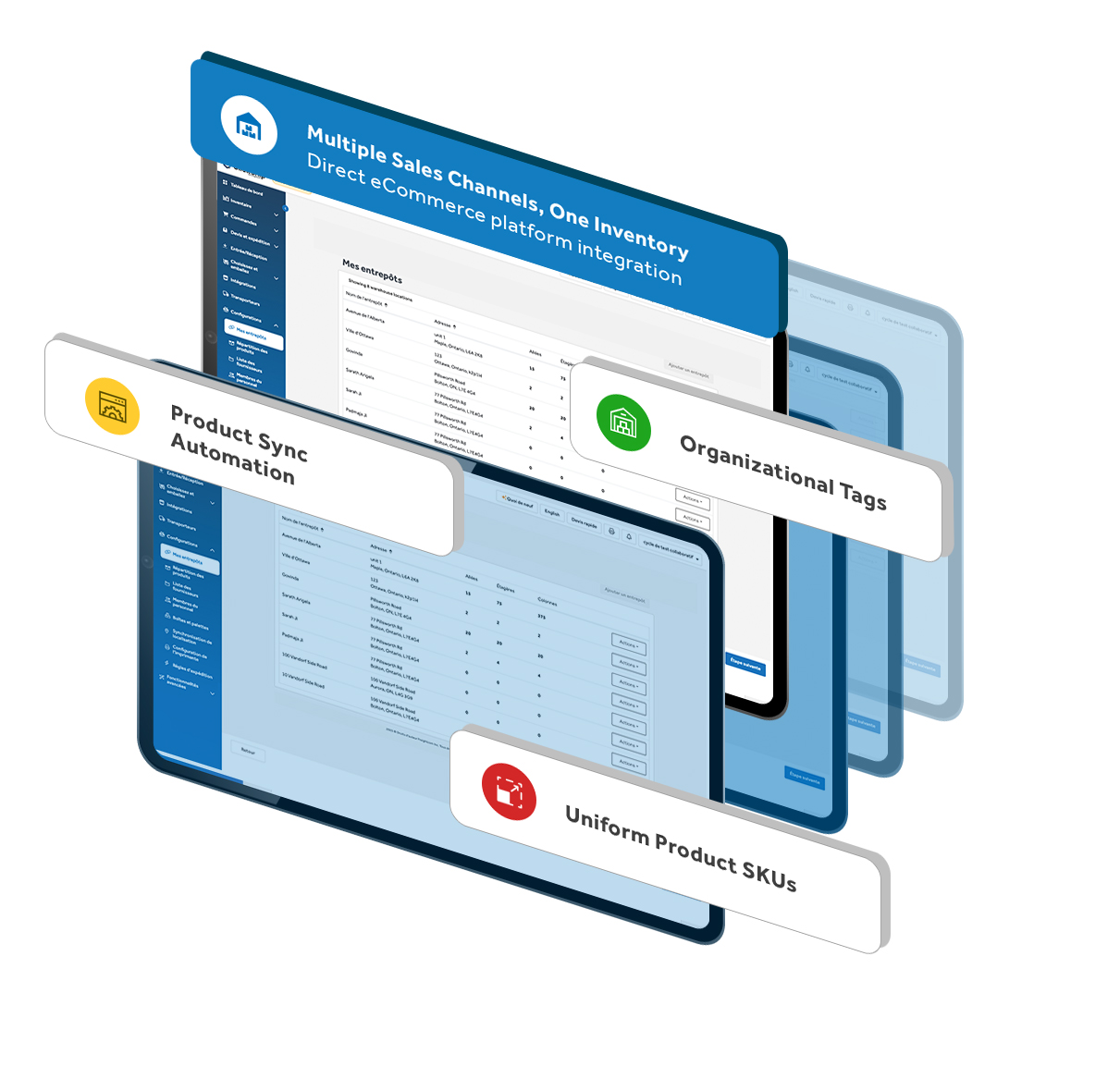
While it may cost more than manual information entry, the time and money it will save you is tremendous. In fact, the time consuming nature of manual information entry avoids many growing businesses from broadening to brand-new sales channels due to the sheer impossibility of handling the brand-new data processing and entry requirements.
Comparing Cloud-Based Vs Distributed Stock Sync Systems
There are so lots of advantages from using devoted software application to integrate inventory: Automate ordering and satisfaction processes. Increase your multi-channel sales by enabling yourself to scale to new sales channels and keep inventory data accurate.
For example: When you integrate stock, you can show your ENTIRE stock on all sales platforms, providing you the opportunity to get the most conversions from whichever channel has one of the most need. When you're out of stock, you might wind up purchasing items at a greater price, therefore increasing your market prices to preserve margins.
Increase consumer complete satisfaction by delivering effectively and quickly. People appreciate this things. This causes increased client retention, commitment, and referrals. Here are three alternatives for inventory syncing software: SyncwareCin7Native APIs and integration apps Syncware is how multi-channel commerce gets done. It's not just a multichannel stock syncing software as it likewise automates the procedure of syncing orders, shipments, items & consumers, and billings between all your sales channels.
Why Next-Gen Retailers Utilize AI-Driven WMS Solutions
Believing about adding that sales channel however worried about the extra time and intricacy?
With its stock sync capabilities, users can keep their stock up-to-date and precisely track stock levels in real-time. This is a fantastic solution, but it's more catered towards B2C ecommerce business. If you do not require the power of a full-fledged enterprise automation software application, native APIs and combination apps are an option.
For example, the Shopify API permits you to integrate your store with other channels such as Amazon Market and eBay. As an ecommerce organization owner, you must be spending your time focused on development by adding new sales channels not upgrading stock counts in different systems. As you grow, the power of multichannel stock sync increases exponentially assisting improve your operations and increase accuracy across all offering platforms.

Latest Posts
How Next-Gen Sellers Utilize Advanced Inventory Solutions
Impact of AI Tech Redefines Warehouse Logistics
Essential Rise of Automated Retail Platforms in 2026